PROGRAM MODEL
Mentoring: Empowering Students Labeled with LD/ADHD
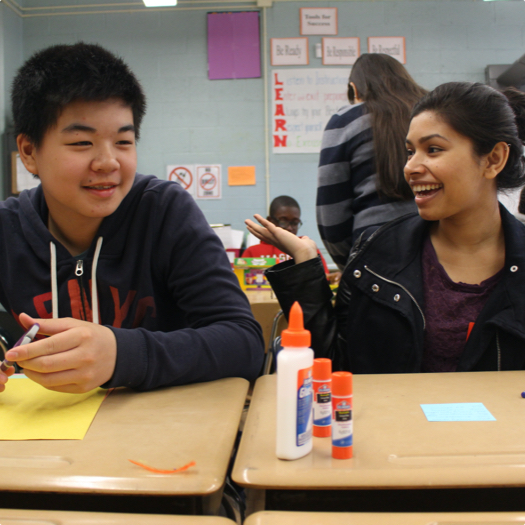
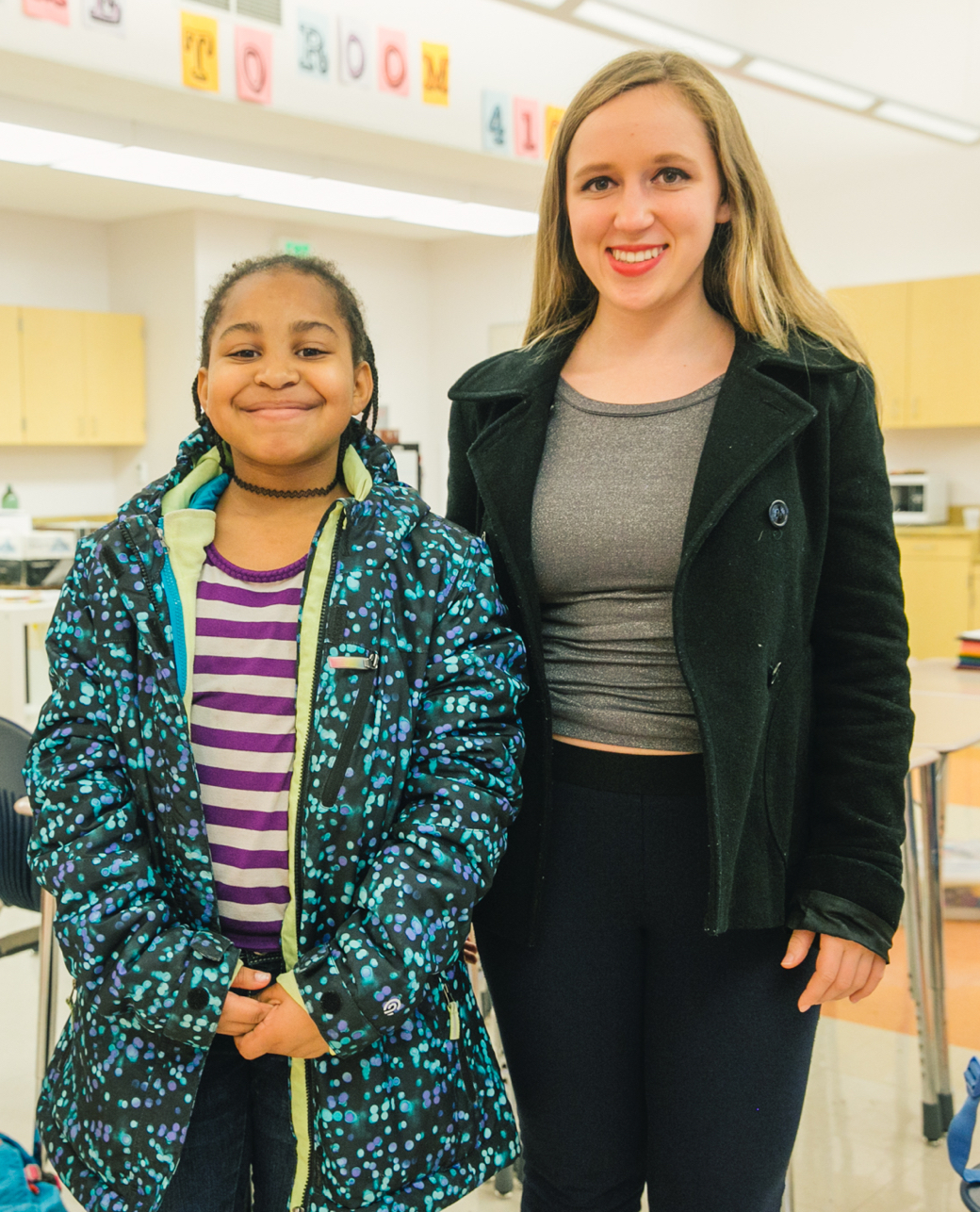
Project Eye-To-Eye has developed a national coalition of mentoring programs for labeled students by partnering with local communities, public/private schools, universities, and local businesses to implement the Project Eye-To-Eye Program Model. On one hand, Project Eye-To-Eye's program model is very straightforward: labeled adults mentoring labeled students as a means of empowerment. However, underneath this program model are a set of clearly defined principles that focus our work and distinguish the Project Eye-To-Eye model as one of the most innovative programs for labeled students in the country. To be considered a Project Eye-To-Eye Chapter, each local grassroots program has to adhere to the following core principles of Project Eye-To-Eye's Program Model:
Mentoring and Hope
Research on risk and resilience strongly suggests that the most important factors in the life successes of adults labeled with learning disabilities or attention deficit disorder is not IQ or academic success, but self-esteem, self-awareness (metacognition), and self-determination (e.g.; Paul J. Gerber et al.,1992; M.H. Raskind et al, 1997; E.E. Werner, 1993). Project Eye-To-Eye's fundamental mission is to give labeled students hope by bringing a mentor into their lives who can model success and empower the students to imagine a positive future for themselves.
Asset Based Academic Empowerment
Project Eye-To-Eye is not a tutoring program or an academic remediation program, and mentors do not teach reading or work with their students in the traditional pathology model, which views individuals with learning disabilities as inherently broken where the goal of society should be to fix these individuals. Project Eye-To-Eye mentors provide their mentees with skills that facilitate academic empowerment. These skills break down in the following areas:
- Self-Advocacy
Mentors work with students to become positive and informed self-advocates for their needs as learners.
- Metacognitive Skills
Metacognitive skills, the ability to know how one learns, is one of the most fundamental skills leading to a successful life. Project Eye-To-Eye mentors engage their mentees in an ongoing conversation about their learning style and help them develop an asset-based understanding of their learning differences,
- Proactive Learning Strategies and Academic Accommodations
Project Eye-To-Eye mentors work with students, families and teachers on developing asset-based learning strategies for their mentees, not remediation strategies. These strategies focus on integrating alternative learning styles and multiple intelligences with concrete academic skills like note-taking, organization, study skills, and reading and writing strategies. In addition, Project Eye-To-Eye mentors work in partnership with teachers, students, and families to implement a concrete and effective accommodation plans for their mentees.
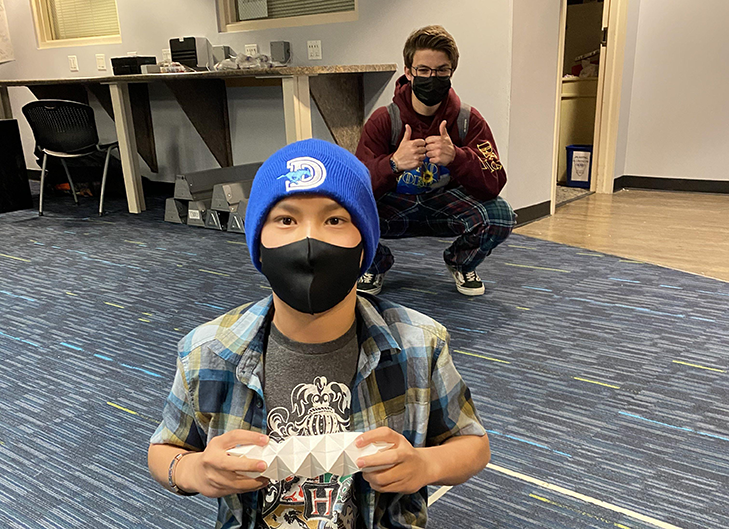
Beyond Normal Art Club
Beyond
the work of academic empowerment, the Project Eye-To-Eye Program Model
relies on the use of art, broadly defined, as a medium of empowerment.
Through art, Project Eye-To-Eye children have the opportunity to access
their unique gifts for project-based, spatial, tactile/kinetic, and
interpersonal learning within an academic environment. Each Project
Eye-To-Eye chapter is required to use the Project Eye-To-Eye Art curriculum,
Beyond Normal Art Club.
Beyond Normal Art Club
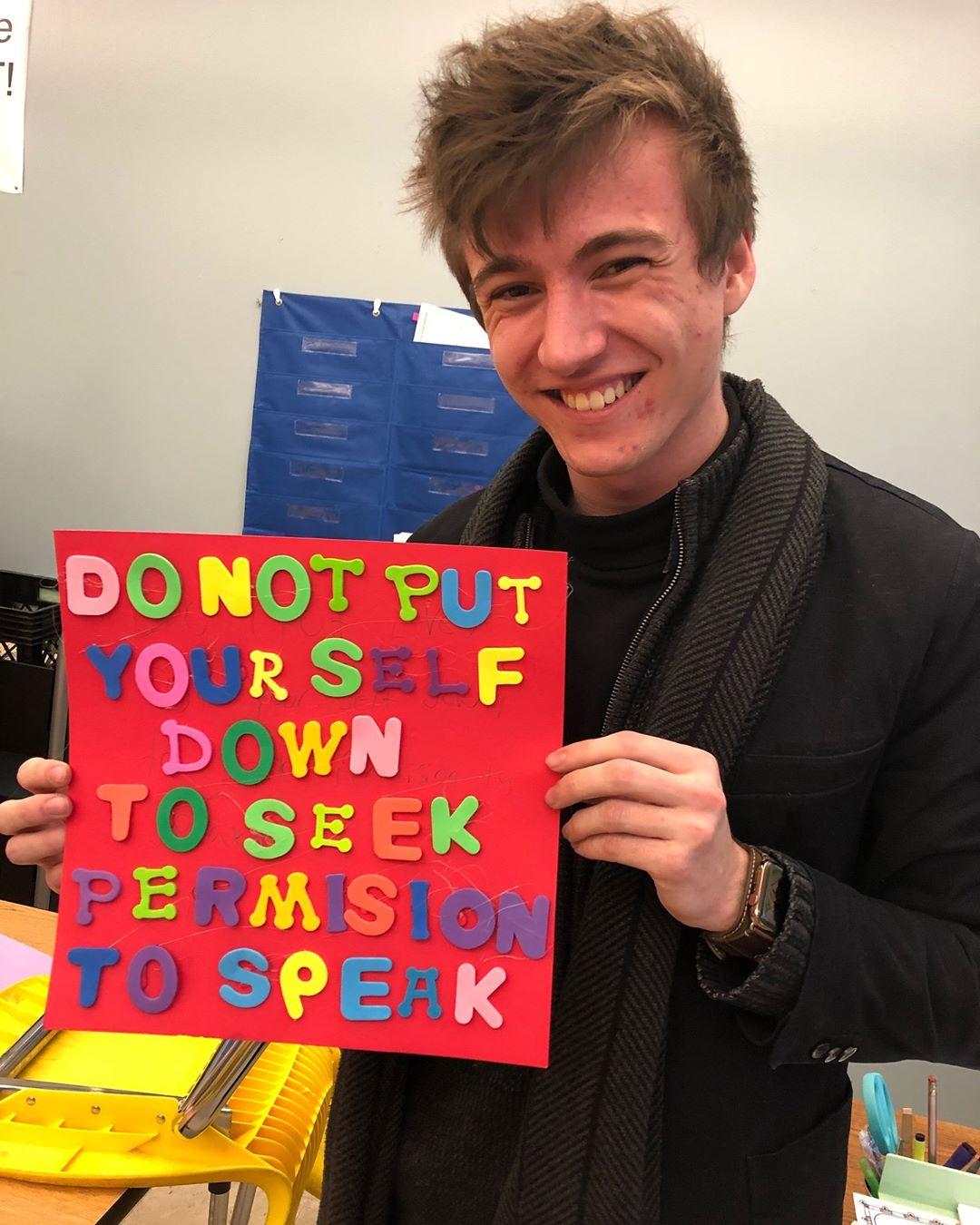
The experience of art empowers students to develop their strengths and validates the unique gifts that are too often ignored within a traditional educational paradigm. As philosophers such as Maxine Green have explored, the use of art enables both students and mentors to participate in a dialogue about social and personal change, empowering students to envision a different educational experience for themselves and ultimately their community.
Project Eye-To-Eye exposes students with LD/ADHD to high-end art projects designed by professional artists Annually, Project Eye-To-Eye's Artist in Residence, a working professional artist, designs a thematically and technically sophisticated art curriculum that is distributed to each chapter.
Professional Development
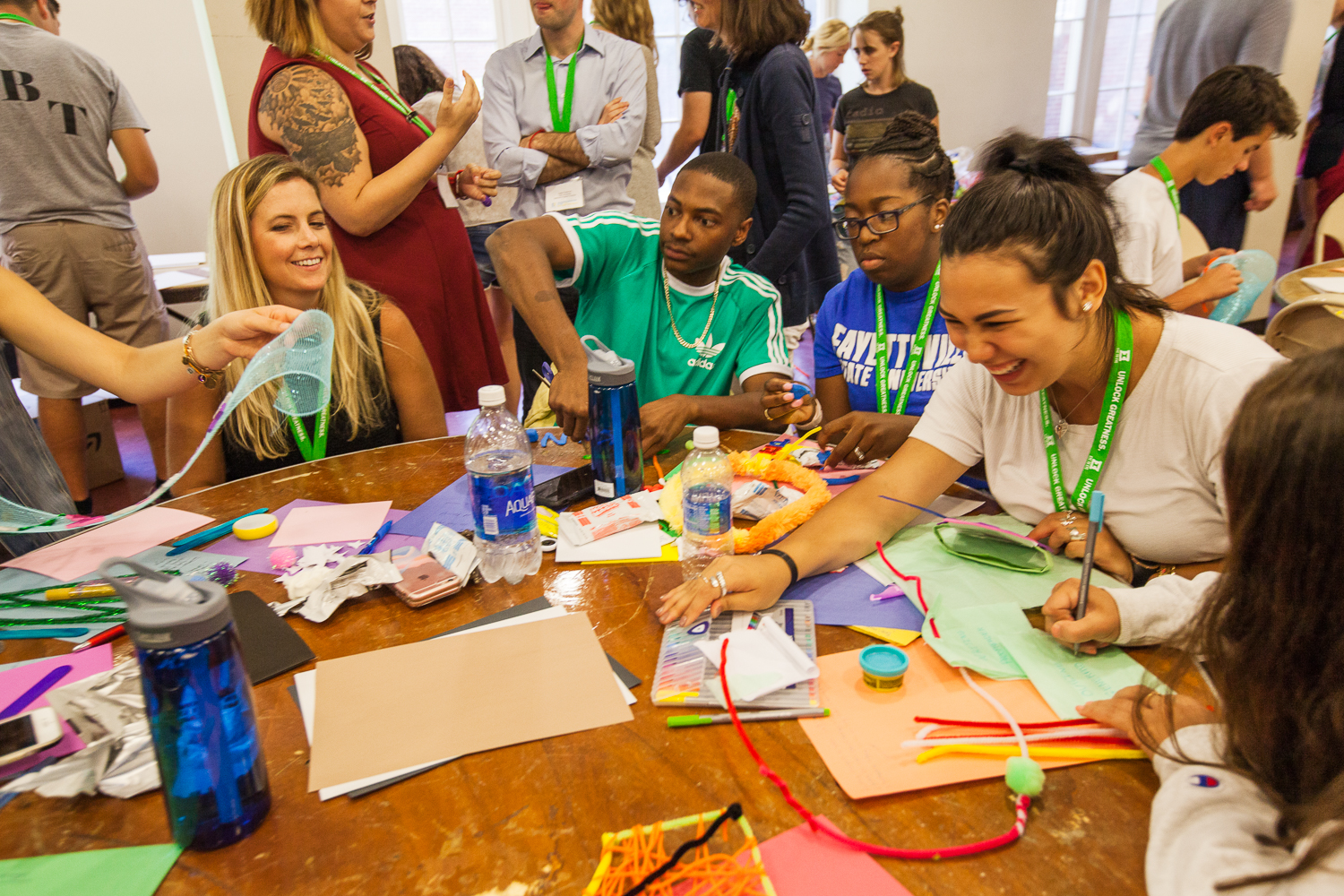
All members of Project Eye-To-Eye are given training on LD/ADHD issues, art pedagogy, community development, and working with children. Project Eye-To-Eye chapters are provided with on-site training, financial resources, and support in networking with professionals to provide high quality training for all mentors.
Back to Top